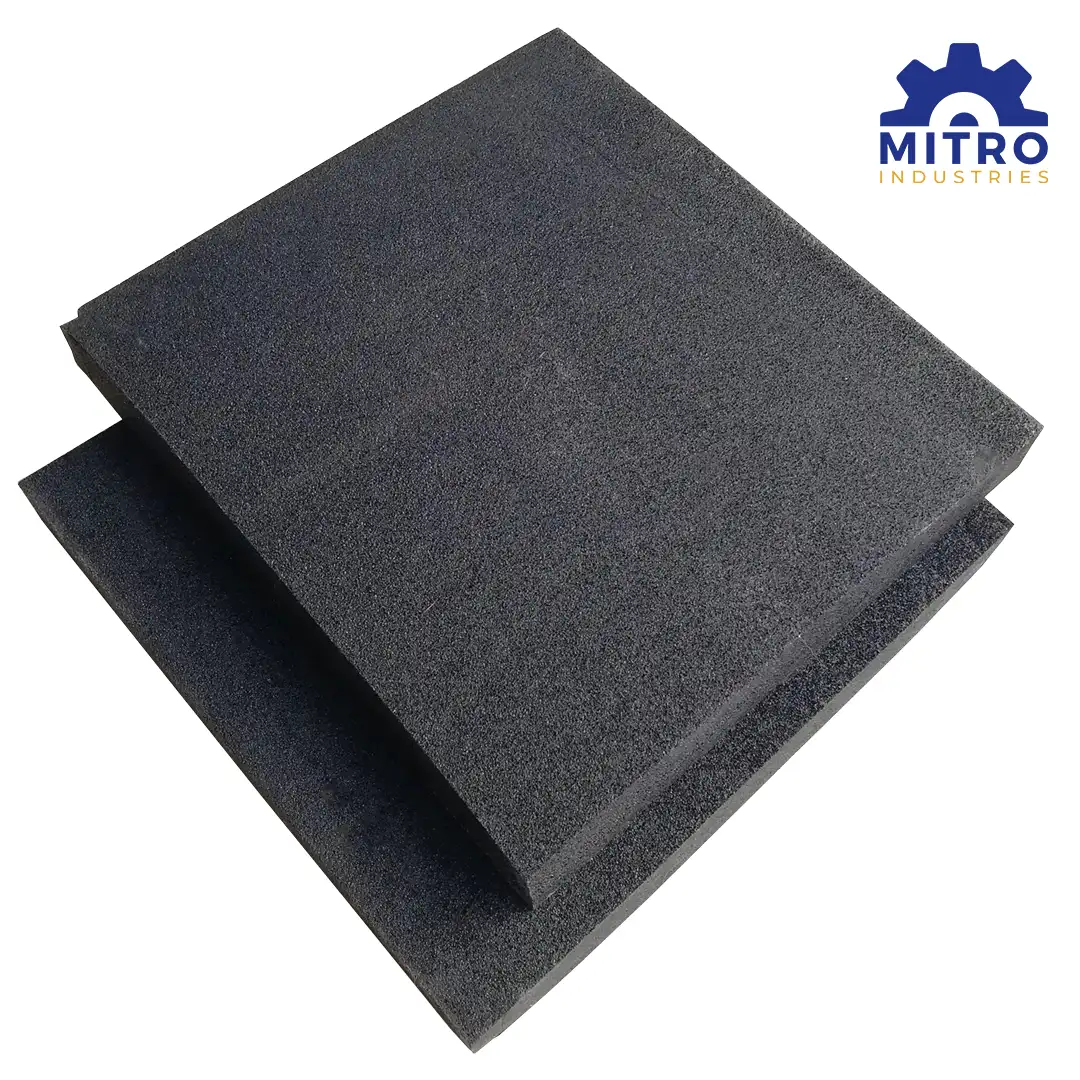
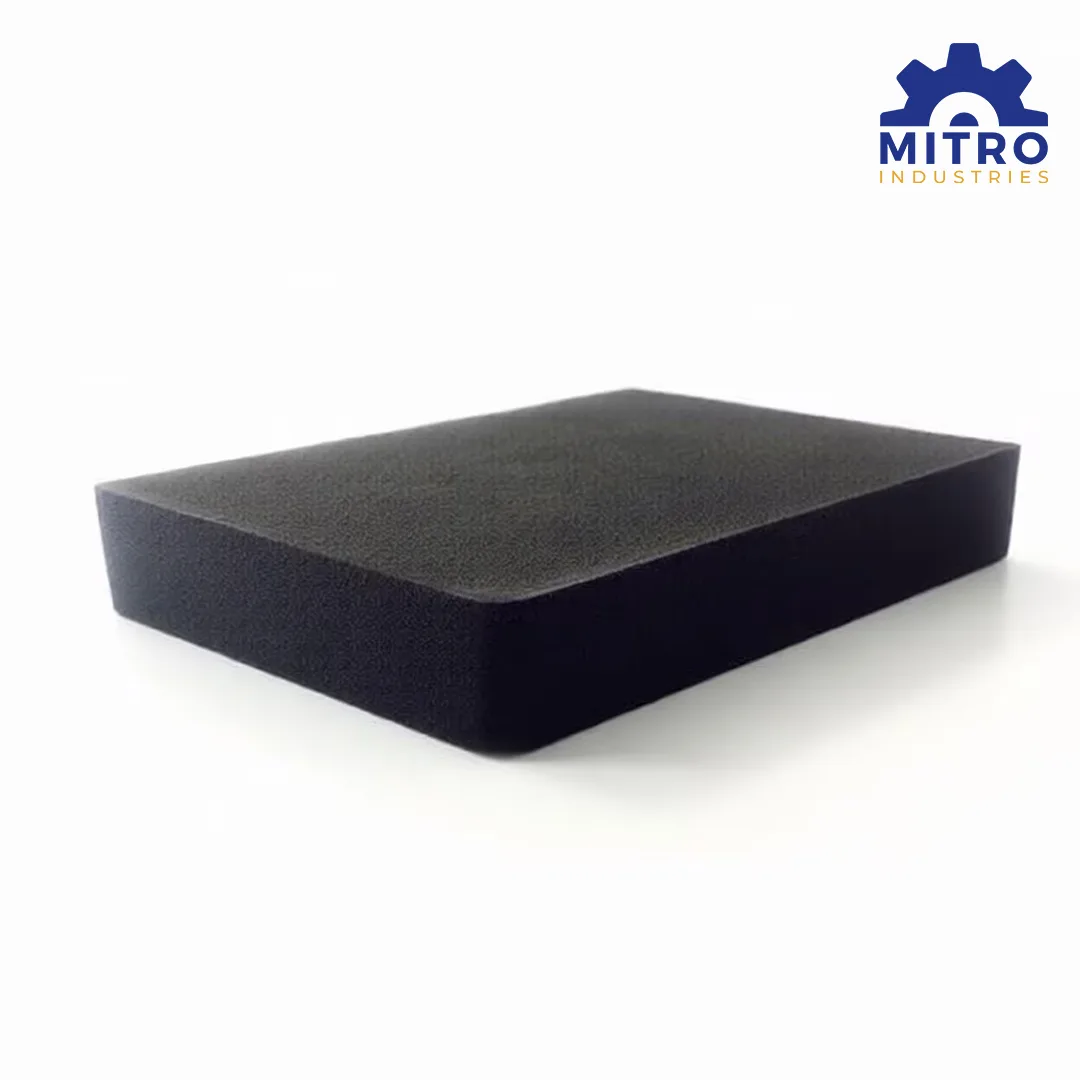
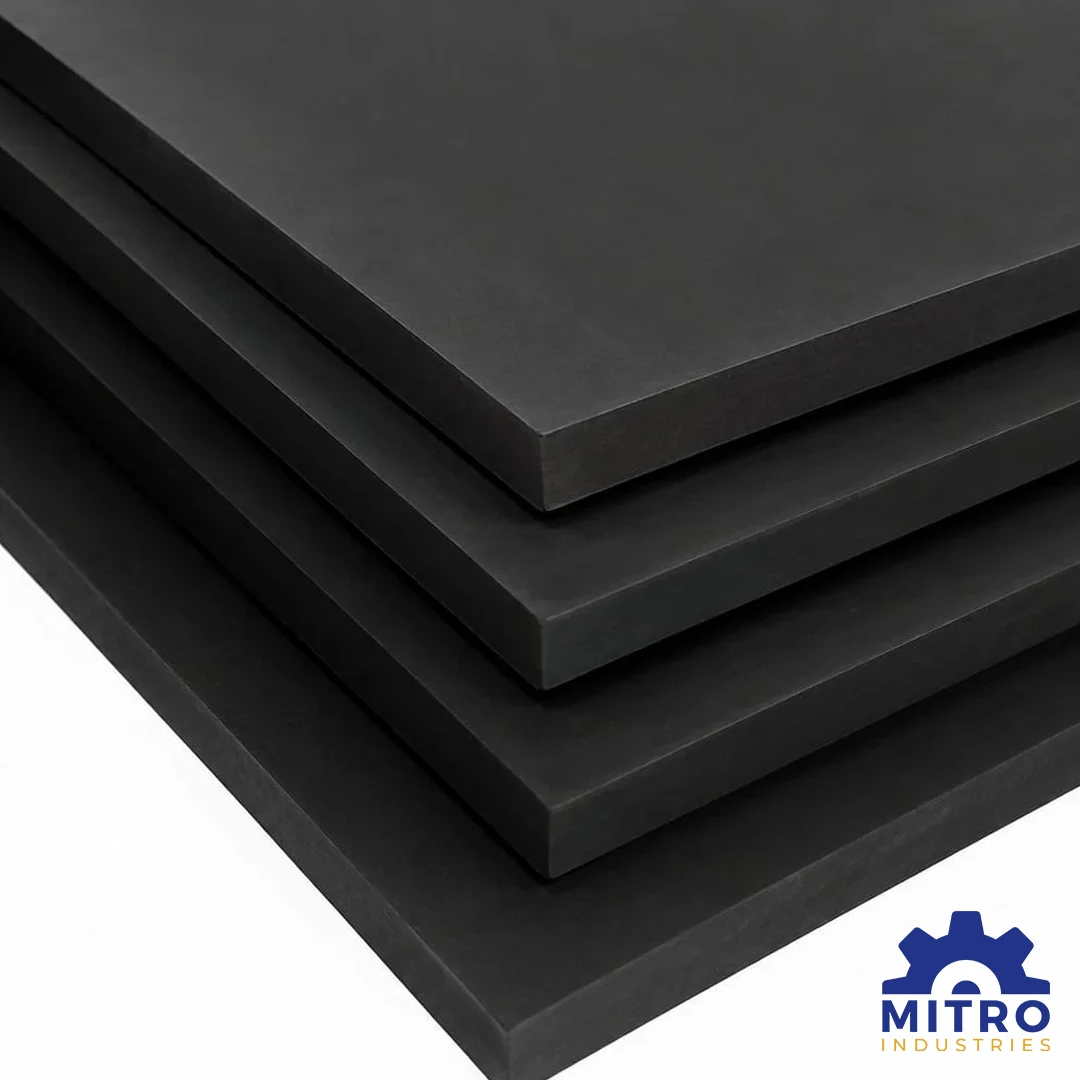
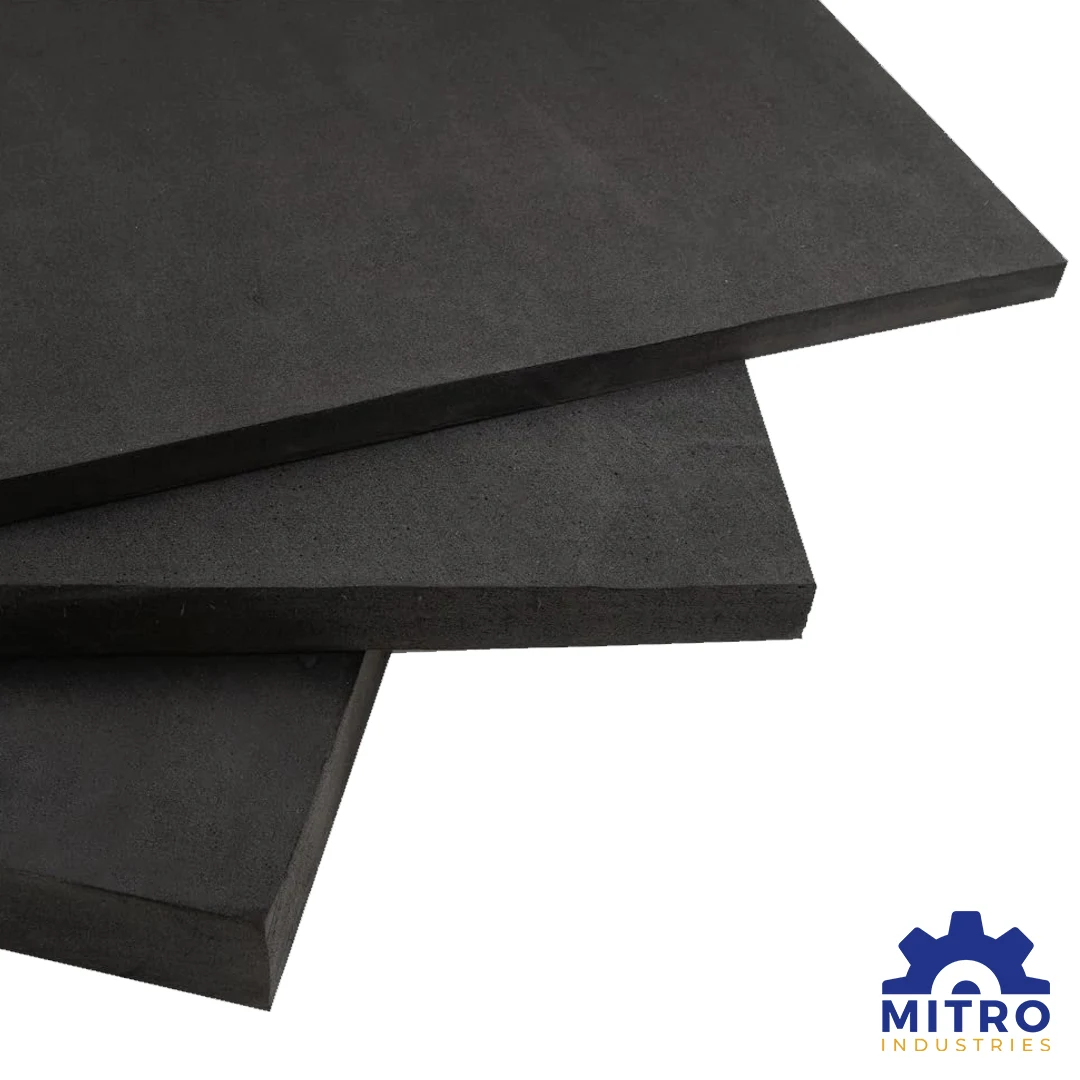
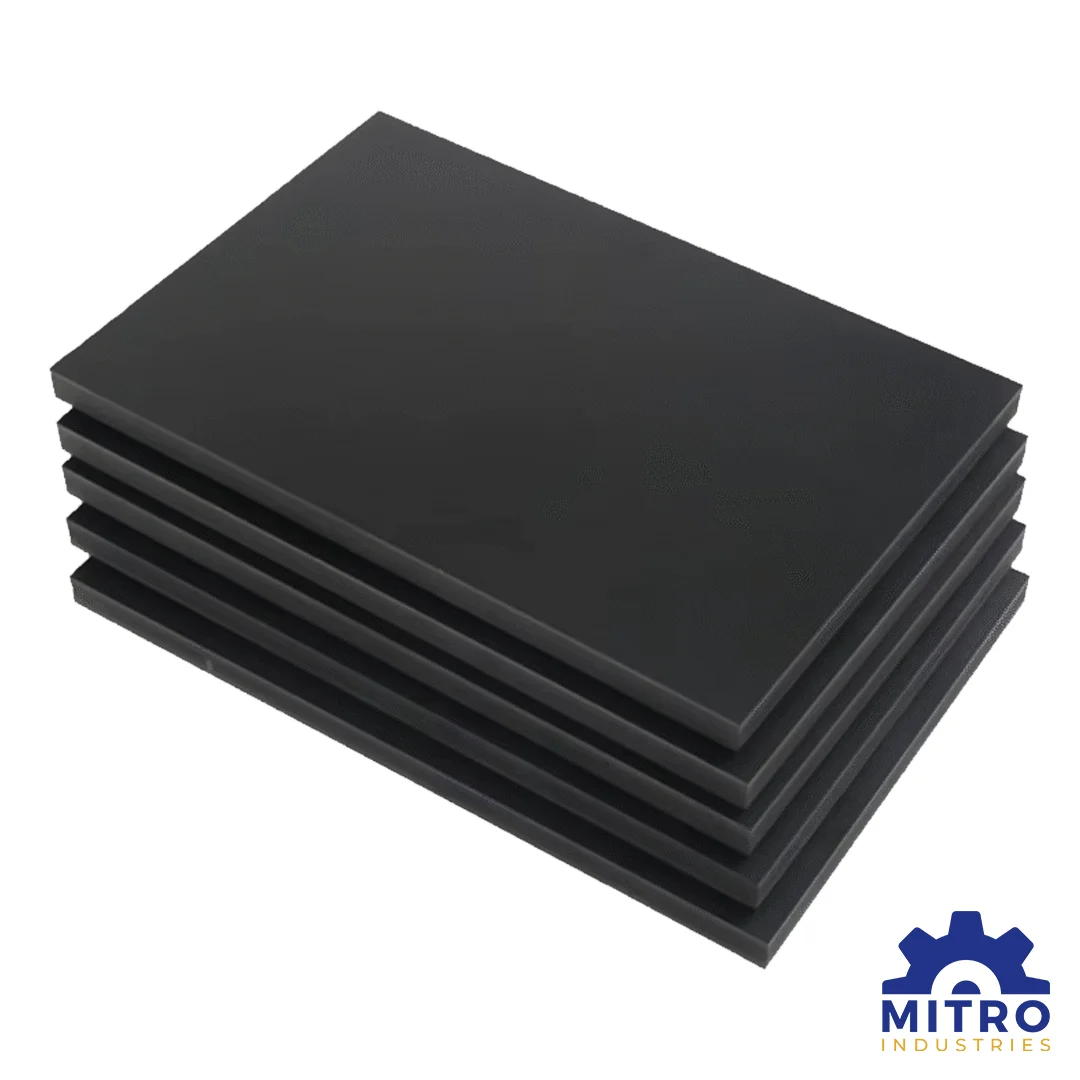
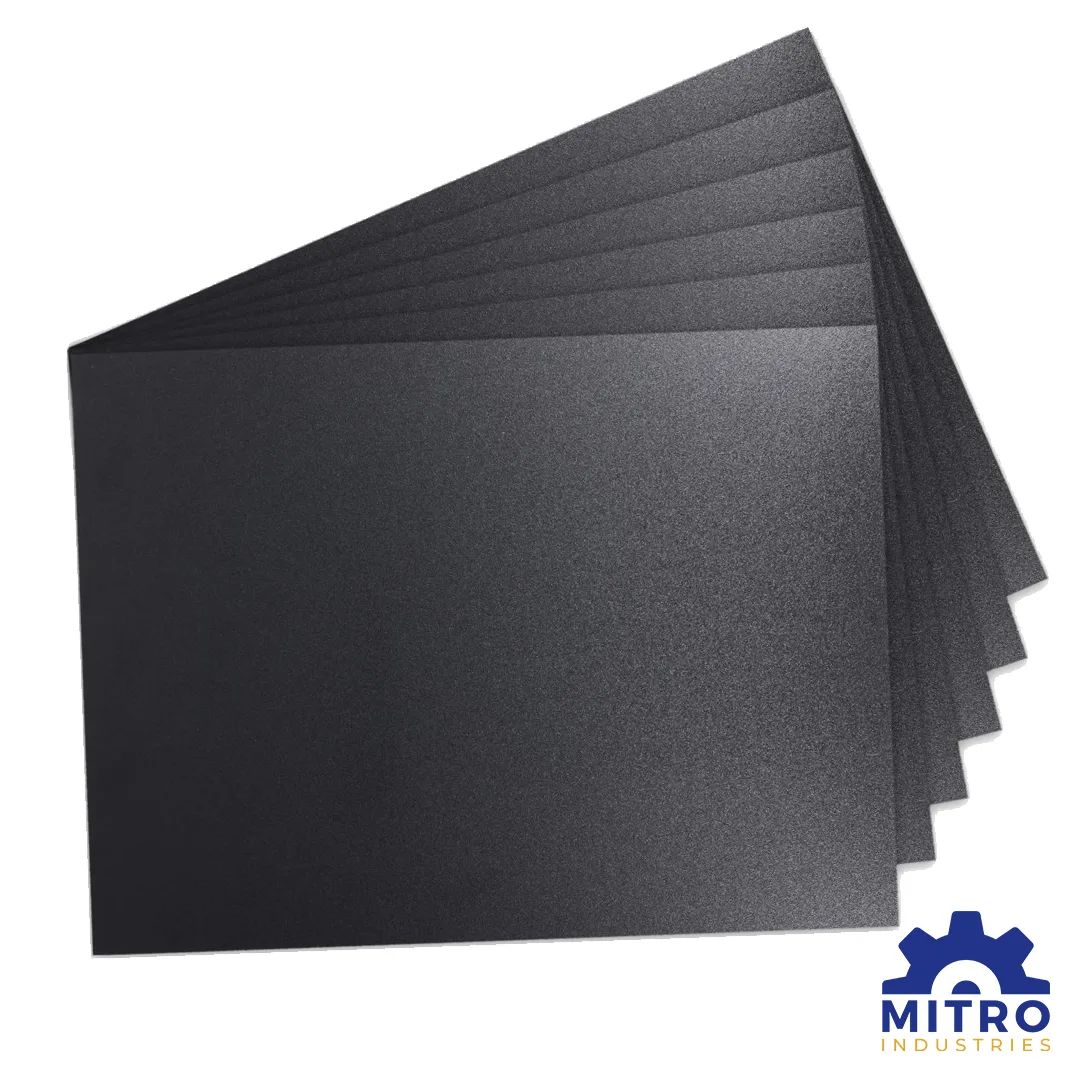
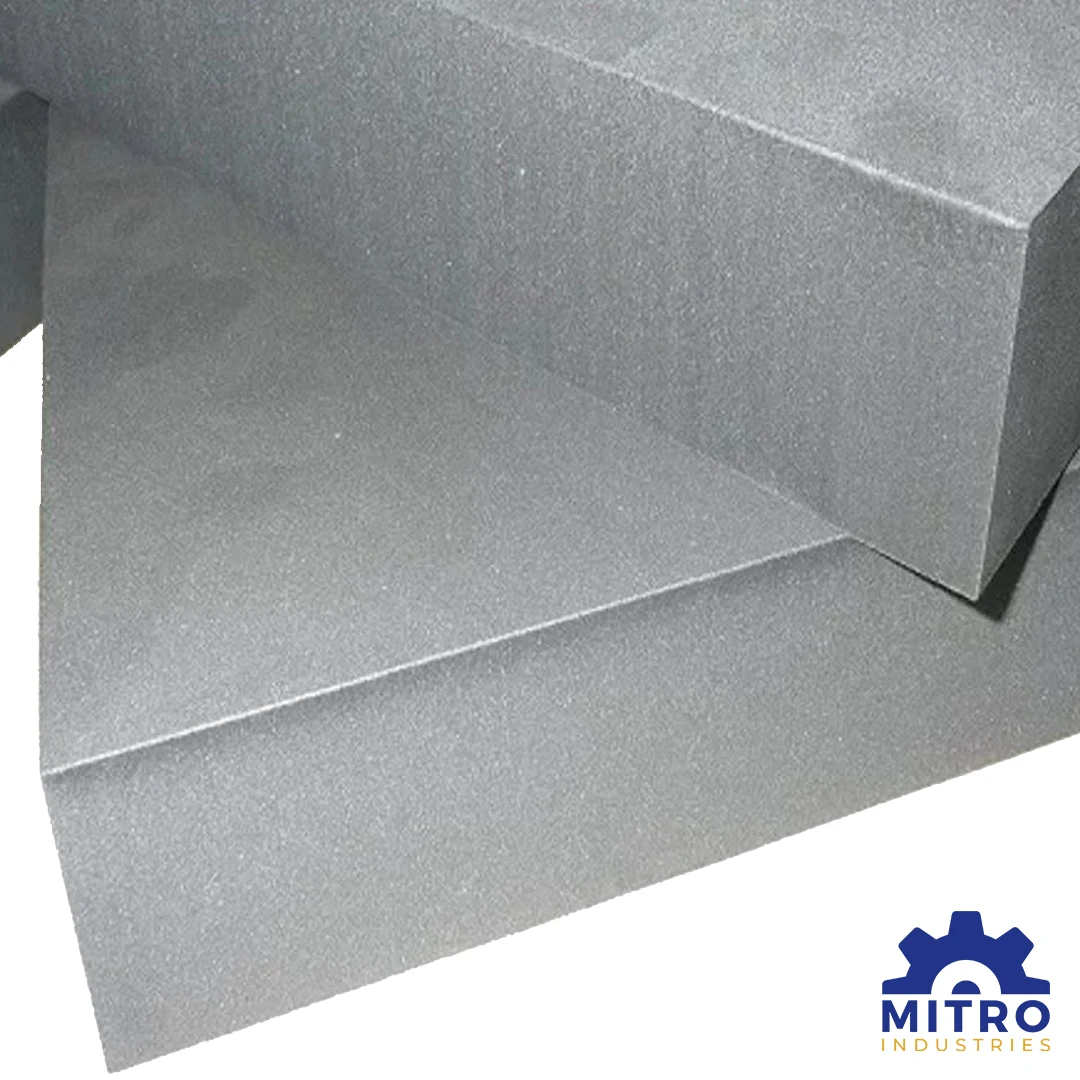

Bitumen Mastic Pad
Mitro Industries Bitumen Mastic Pad for bridge bearings, expansion joints and vibration absorption. Waterproof, flexible, compressible and suitable for civil projects. View Complete Details...
₹ 240/Pcs
Product Specification
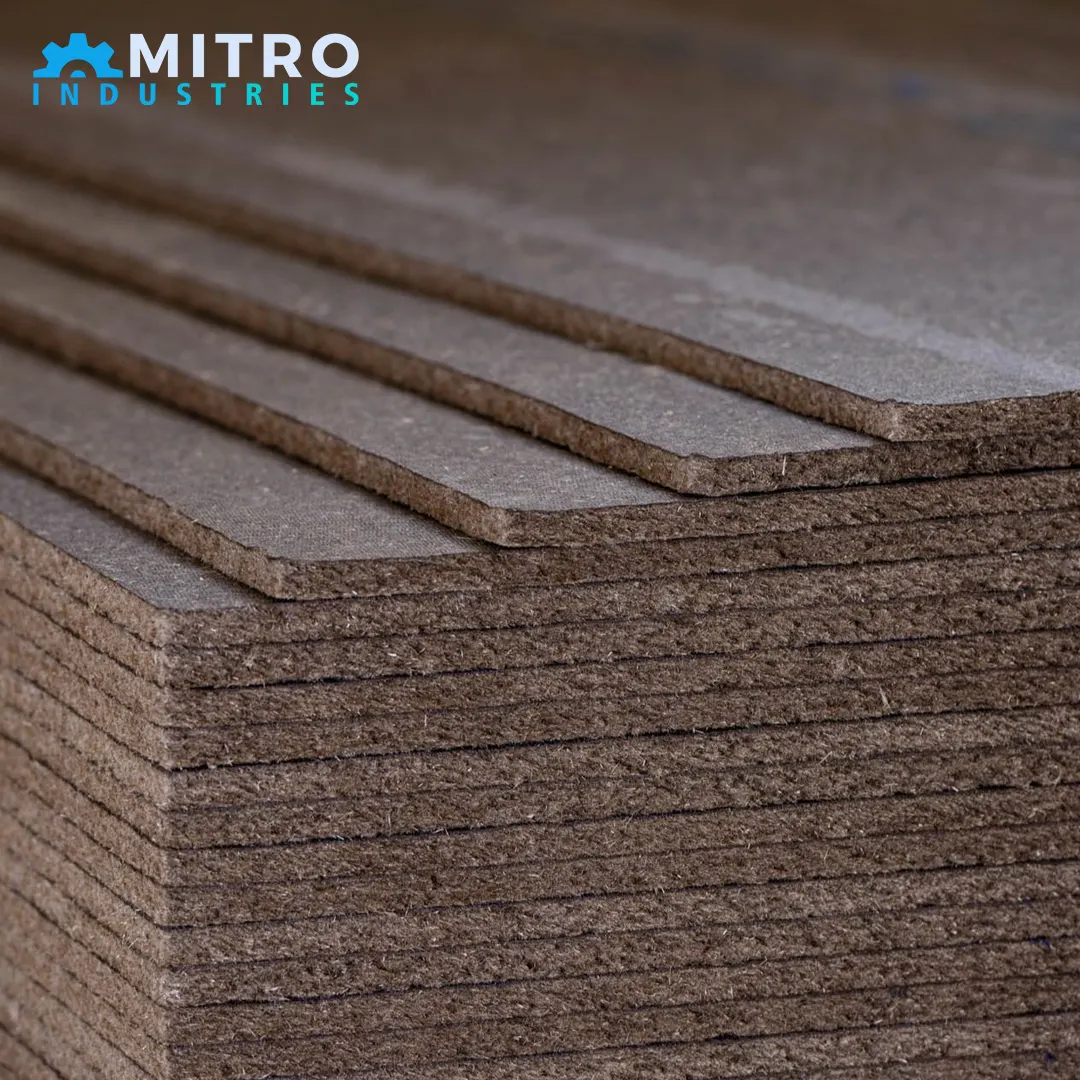
Mitro Industries Bitumen Mastic Pad is a heavy-duty, waterproof and compressible bitumen-based pad designed for bridge bearing cushioning, expansion joint filling, vibration absorption and structural movement applications. Manufactured using bitumen, mineral fillers and rubber additives, it provides a flexible cushioning and separation layer between concrete and other structural components.
The Bitumen Mastic Pad is suitable for demanding civil construction, infrastructure and industrial applications where load transfer, movement, cushioning, vibration control and moisture resistance are important.
What is a Bitumen Mastic Pad?
A Bitumen Mastic Pad is a preformed flexible pad made from a combination of bitumen, mineral fillers and rubber additives. It is designed to provide a compressible, shock-absorbing and water-resistant layer between adjoining structural elements.
The pad helps accommodate controlled movement while providing cushioning and separation between surfaces. Its bitumen-based composition also provides good resistance to moisture and environmental exposure.
Bitumen Mastic Pad Specifications
| Parameter | Specification |
| Product Name | Bitumen Mastic Pad |
| Brand | Mitro Industries |
| Material | Bitumen + Mineral Filler + Rubber |
| Density | Approximately 1.8–2.0 g/cm³ |
| Compression | High load-bearing capacity |
| Water Absorption | Very low / Waterproof |
| Temperature Resistance | Approximately up to 70–80°C |
| Finish | Smooth / Semi-flexible Sheet |
| Product Type | Preformed Flexible Cushioning Pad |
| Primary Applications | Bridge Bearings, Expansion Joints, Vibration Absorption and Structural Cushioning |
Key Features of Bitumen Mastic Pad
High Load-Bearing Capacity
Mitro Industries Bitumen Mastic Pad is designed to withstand substantial compressive loads, making it suitable for selected heavy-duty construction and infrastructure applications.
Waterproof and Moisture Resistant
The bitumen-based composition provides very low water absorption, making the pad suitable for applications where exposure to moisture and outdoor conditions is expected.
Shock and Vibration Absorption
Its flexible composition helps absorb shock, vibration and controlled movement, providing cushioning between structural components.
Flexible and Compressible
The pad provides flexibility and compressibility, allowing it to accommodate controlled movement in suitable expansion, separation and cushioning applications.
Weather Resistant
The bitumen-based construction provides resistance to environmental exposure and supports reliable performance in suitable outdoor applications.
Chemical and Ageing Resistance
The material is designed to provide resistance to common environmental effects, chemicals and ageing under suitable conditions.
Easy to Handle and Install
The preformed sheet format makes the Bitumen Mastic Pad convenient to handle, position and install according to project requirements.
Applications of Bitumen Mastic Pad
1. Bridge Bearing Cushioning
Bitumen Mastic Pad can be used in suitable bridge bearing cushioning applications to provide a flexible interface and separation layer between structural components while helping accommodate controlled movement.
2. Expansion Joint Filling
The compressible pad can be used as an expansion joint filler where separation and controlled movement between concrete or structural elements are required.
3. Vibration Absorption
The flexible construction helps absorb vibration and shock, making the pad suitable for applications requiring cushioning and vibration-control properties.
4. Bridge and Flyover Construction
Bitumen Mastic Pad can be considered for suitable applications in
• Bridges
• Flyovers
• Bridge deck slabs
• Structural joints
• Infrastructure projects
5. Metro and Infrastructure Projects
The pad can be used in selected metro and infrastructure applications where a flexible, waterproof and compressible interface is required.
6. Industrial Foundations
Suitable applications include selected industrial structures and foundations where cushioning and vibration absorption are required.
7. Precast Concrete Joints
The pad can serve as a separation or cushioning layer between suitable precast concrete components.
8. Rail Track Support Applications
Bitumen Mastic Pad may be considered for suitable rail track support and vibration-control applications, depending on engineering design and required technical specifications.
9. Heavy Machinery Base Isolation
The cushioning characteristics of the pad make it suitable for selected heavy machinery and equipment foundation applications where vibration absorption is required.
How Does a Bitumen Mastic Pad Work?
A Bitumen Mastic Pad is positioned between structural elements to create a flexible and compressible interface.
When a structure experiences load, vibration or limited movement, the pad can compress and deform within its design limits. This cushioning effect helps reduce direct contact and can absorb part of the movement and vibration between adjoining surfaces.
For expansion-joint applications, the pad provides a separation layer that allows surrounding structural components to accommodate controlled movement.
Simple Working Principle
Structural Load + Movement + Vibration ? Bitumen Mastic Pad ? Cushioning + Separation + Movement Accommodation
Advantages of Mitro Industries Bitumen Mastic Pad
• High load-bearing capability
• Very low water absorption
• Waterproof and moisture resistant
• Excellent cushioning properties
• Helps absorb vibration and shock
• Flexible and compressible
• Suitable for structural movement applications
• Good weather resistance
• Resistance to ageing under suitable conditions
• Resistance to various chemicals
• Easy to handle and install
• Suitable for bridges and infrastructure projects
• Economical compared with some specialized cushioning materials
Bitumen Mastic Pad vs Rubber Pad
| Feature | Bitumen Mastic Pad | Rubber Pad |
| Load Capacity | High | Medium |
| Waterproofing | Excellent | Moderate |
| Vibration Absorption | Excellent | Good |
| Flexibility | High | High |
| Durability | High | High |
| Installation | Easy | Easy |
| Cost | Economical | Generally Higher |
| Typical Use | Expansion joints, cushioning, bridge and civil applications | Bearings, vibration isolation and structural applications |
Bitumen Mastic Pad for Bridge Bearings
Bridge structures experience continuous changes caused by
• Temperature variation
• Structural movement
• Traffic loading
• Vibration
• Expansion and contraction
• Minor displacement between components
A suitable cushioning pad can provide a flexible interface between structural elements and help accommodate controlled movement.
Mitro Industries Bitumen Mastic Pad can be considered for bridge bearing cushioning applications where its technical properties satisfy the project's engineering requirements.
Bitumen Mastic Pad for Expansion Joints
Expansion joints are designed to accommodate movement between adjacent concrete or structural sections.
A suitable Bitumen Mastic Pad can function as a compressible joint filler and separation layer, helping prevent direct contact between adjoining sections while allowing controlled movement.
Suitable applications may include
• Concrete roads
• Bridge decks
• Expansion joints
• Building slabs
• Precast structures
• Industrial floors
• Infrastructure projects
Bitumen Mastic Pad for Road Construction
Concrete roads and pavements experience movement caused by temperature changes, shrinkage and environmental conditions.
A suitable Bitumen Mastic Pad can provide a flexible separation and cushioning layer in appropriate concrete pavement and road-joint applications.
Its moisture-resistant characteristics can also make it suitable for selected outdoor construction environments.
Bitumen Mastic Pad for Vibration Absorption
The flexible and compressible nature of Bitumen Mastic Pad allows it to provide cushioning between structural or equipment surfaces.
It can be considered for applications where shock, vibration and minor movement need to be controlled, including selected industrial foundations, machinery bases and infrastructure applications.
Installation of Bitumen Mastic Pad
A typical installation process includes
• Prepare the surface – Remove dust, loose particles, oil and other contaminants.
• Check the joint or bearing area – Verify the required dimensions and installation conditions.
• Cut the pad if required – Cut the sheet according to the required dimensions using an appropriate method.
• Position the pad – Place the Bitumen Mastic Pad evenly between the specified structural elements.
• Check alignment – Ensure that the pad is correctly positioned.
• Complete the structural assembly – Continue the construction process according to approved engineering drawings and specifications.
Important - For bridge bearings and other load-bearing structural applications, installation should follow the project engineer's design and applicable manufacturer's instructions.
Why Choose Mitro Industries?
Mitro Industries provides construction and infrastructure products for applications requiring reliable performance and project-specific solutions.
Key Reasons to Choose Mitro Industries
• Construction industry product expertise
• Quality-focused product manufacturing and supply
• Suitable solutions for civil and infrastructure projects
• Project-specific requirements
• Bulk supply capability
• Custom product requirements, subject to specifications
• Technical assistance for product selection
• Reliable supply for construction projects
Product related to Construction Safety
Find a similar products you may like





Product Rating & Review


Frequently Asked Question

Mitro Industries
Online
Get Chat with us!
Fill details to start your conversation